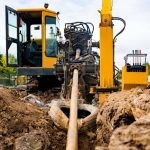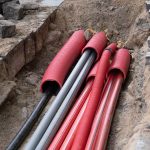

Utility installation has changed with the rise of new-age trenchless technology, which has minimized disruption to the landscape to reduce restoration costs. With the ever-expanding urban areas, this is the most fundamental utility installation technology for efficient utility installation, such as pipes, power cables, and transmission lines.
What is Trenchless Technology?
Trenchless technology refers to methods for installing, maintaining, or repairing underground utilities with minimal excavation. Methods include horizontal directional drilling, pipe bursting, and micro tunneling, which aim to ensure effective utility placement without damaging the surface environment.
Advantages of Trenchless Technology
Surface Disruption Minimized
One of the key advantages of trenchless methods is that they minimize roadways, landscapes, and other already present infrastructure disturbance. They do not require massive digging and excavation. Such methods therefore result in rapid completion of projects with minimum environmental impact.
Cost Efficiency
Trenchless installation of utilities often turns out to be more cost-effective compared to traditional methods. It saves utility firms significant portions of the restoration of the surface, labor cost, and therefore overall expense of the project.
Short Installation Time
Seldom are completion times shorter for this form of installation. Utilities can be installed with minimal “dig time.” This speed is essential in urban settings, where time is a precious factor.
Usual Applications of Trenchless Technology
Utility installations involving laying out water and sewer lines, telecommunications cables, and gas pipelines are mostly made with the application of trenchless technology. Due to its ability to navigate under roads, rivers, and other obstacles, it is very suitable for complex urban projects.
Conclusion
In summary, trenchless technology offers multiple advantages in utility installation: lesser surface disruption, cost-effectiveness, and faster installation. If you plan to undertake a utility installation project, consider using the best of these methods.